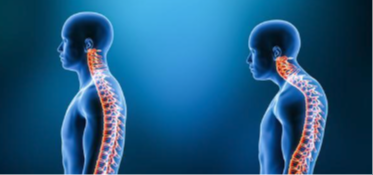
Osteoporosis is a progressive bone disease that makes bones weak, brittle, and more likely to break, with about 80% of cases occurring in women.
Why Women Are More Affected
- Lower Peak Bone Mass: Women generally have smaller, thinner, and less dense bones than men to begin with.
- Menopause: Estrogen protects bone density. When estrogen levels drop sharply during menopause, bone loss accelerates rapidly (losing 1% to 3%+ per year for several years).
- Life Expectancy: Women often live longer, and natural age-related bone loss adds up over time.
Symptoms
Osteoporosis is often called a silent disease because it has no early warning signs or symptoms. Most women do not know they have weak bones until they experience a fragility fracture. Common signs of advanced bone loss include:
- Back pain from a fractured or collapsed vertebra (spine bone)
- Stooped posture or a hunched back (dowager's hump)
- Broken bones occurring from minor bumps, falls, or routine daily movements like bending or lifting
Key Risk Factors
- Age: Risk increases significantly after age 50, especially post-menopause.
- Race: White and Asian women face the highest risk.
- Family History: Having a parent or sibling with osteoporosis or a hip fracture.
- Body Frame: Having a small, thin body frame means less initial bone mass to draw from.
- Lifestyle Habits: Smoking, heavy alcohol use, and a lack of physical activity or weight-bearing exercise.
- Nutrition: Lifelong low intake of calcium and vitamin D.