
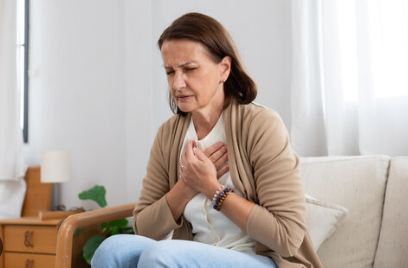
Heart disease is the leading cause of death for women, and its symptoms often differ significantly from those experienced by men.
Common Symptoms in Women
While both men and women can experience chest pain or pressure, women are much more likely to report subtle or non-traditional warning signs during a heart issue or heart attack, including:
- Unusual or extreme fatigue that disrupts normal daily tasks
- Shortness of breath
- Pain or discomfort in the neck, jaw, shoulder, upper back, or stomach
- Nausea, vomiting, or indigestion (frequently mistaken for heartburn)
- Lightheadedness, dizziness, or fainting
- Sweating
Unique Risk Factors
Certain health conditions and life stages affect women differently or increase their cardiovascular risk more severely than men:
- Pregnancy complications like gestational hypertension, preeclampsia, or gestational diabetes
- Menopause and premature menopause (before age 40), which reduce protective estrogen levels
- Diabetes and high blood pressure, which carry a higher relative cardiac risk for women
- Autoimmune and inflammatory diseases, such as rheumatoid arthritis, which are more prevalent in women
You can learn more about prevention and specific health guidance through the Centers for Disease Control and Prevention.